
Teaching Your Child to Read the Quran: Qaida ..
Oct 04 - 2026
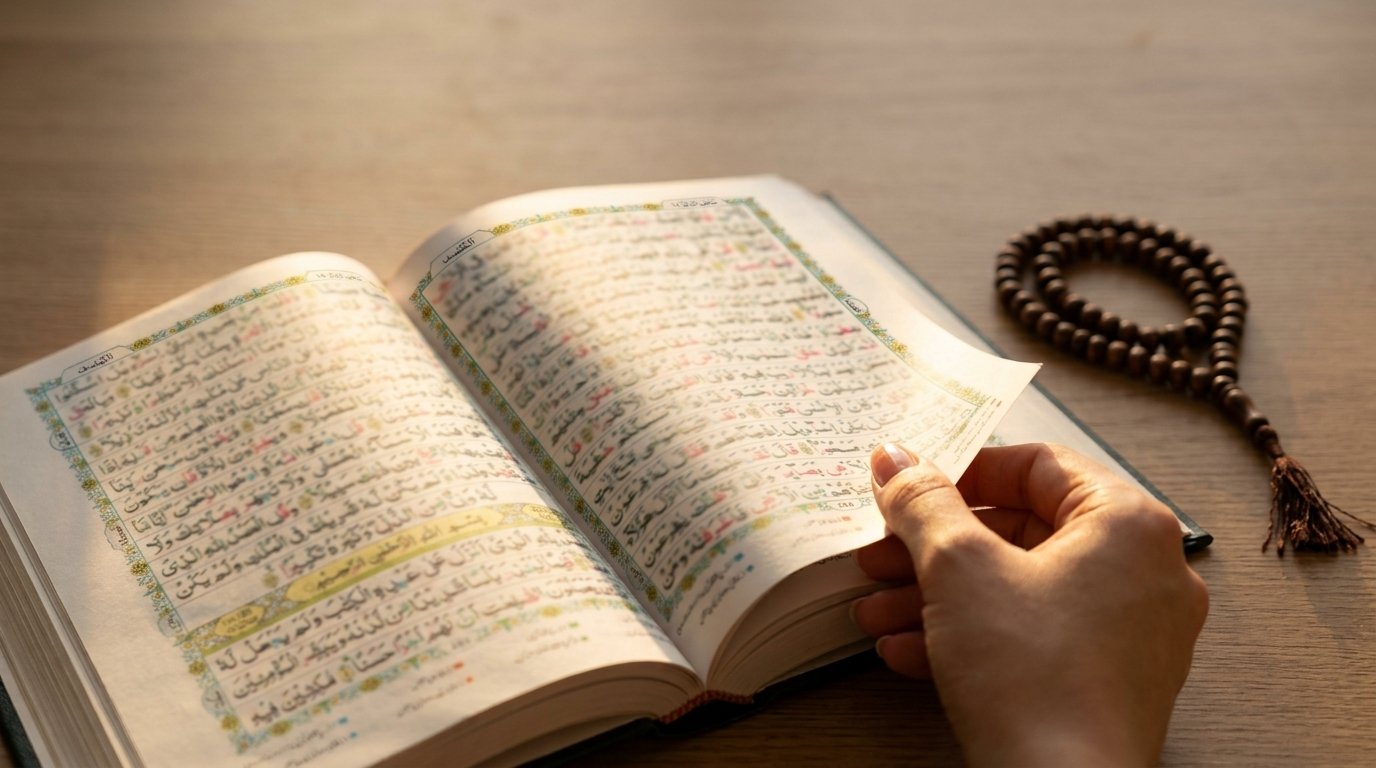
Tajweed means reciting the Quran the way it was revealed and taught: giving each letter its correct sound, its correct place in the mouth, and the correct rules of stopping, joining, stretching and merging. The word comes from an Arabic root meaning "to make well" or "to improve".
Learning tajweed protects the meaning of the Quran. A small change in a letter or a vowel can change the meaning of a word. This guide gives you a clear order to learn in, explains what a Qaida is, and lists books that help.
The best way to learn tajweed is by listening and being corrected. Some sounds cannot be learned from a book alone, because you cannot hear yourself the way another person hears you. So the ideal is:
If a teacher is not possible right now, you can still make real progress with a good book, careful listening to a trusted reciter, and recording yourself to compare. Plan to have your recitation checked by a qualified person when you can.
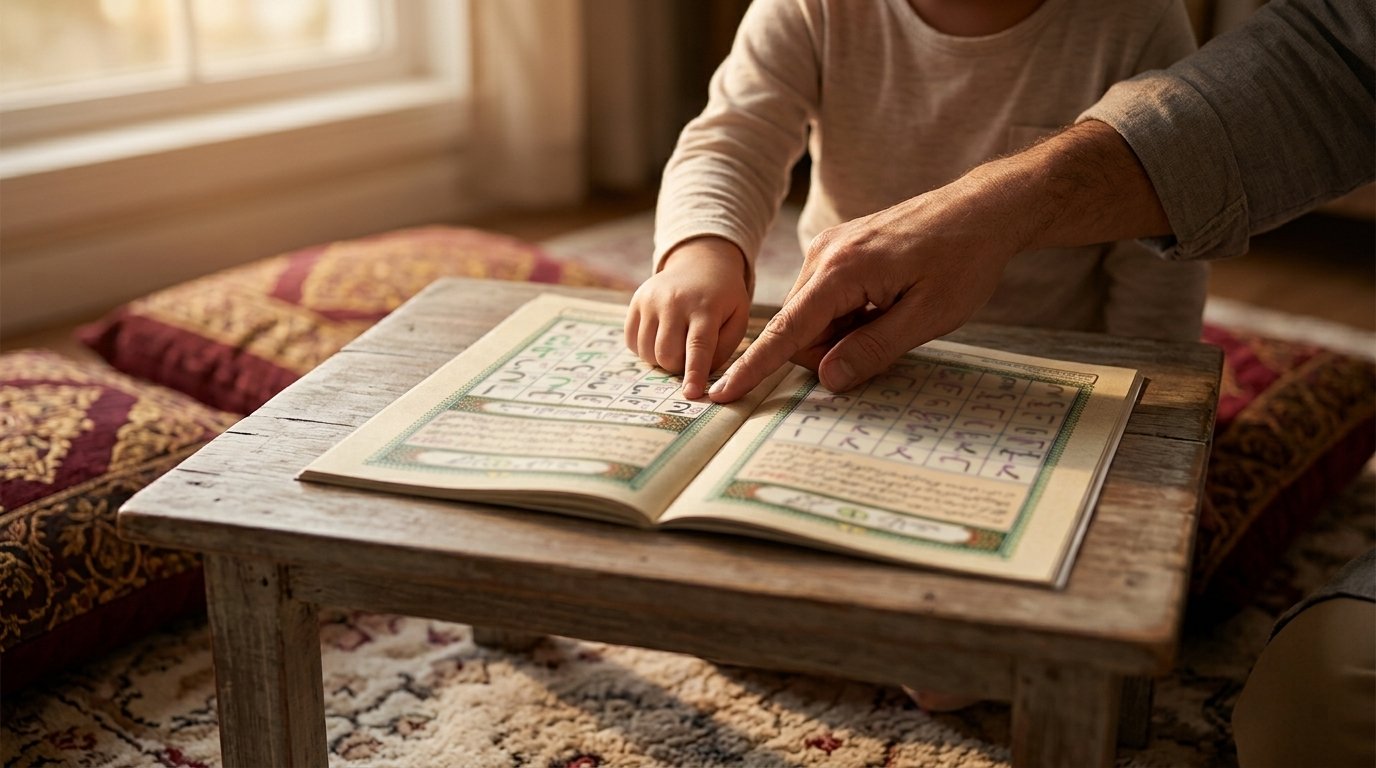
A Qaida (also spelled qaidah) is a beginner's book that teaches the Arabic letters, their shapes at the start, middle and end of a word, the short and long vowels, and simple joining. Children and adult beginners both start here.
The Noorani Qaida is the most widely used. A tajwedi version marks the basic rules as you go. Work through it slowly. Do not move to the next page until the current one is easy. This stage is the difference between smooth recitation later and constant struggle.
For a full plan aimed at children, see teaching your child to read the Quran.
Every Arabic letter has a place in the mouth or throat where its sound is made. This is called its makhraj. Many recitation mistakes come from making a letter in the wrong place, for example mixing up the sounds that English speakers hear as "s", or the two "h" sounds, or the "d" and "z" type letters.
A tajweed book will show these with diagrams. Practise one group at a time, out loud, slowly.
A good beginner sequence is:
Learn one rule, then read a page of the Quran looking only for that rule, before moving on.
Keep one tajweed book on your shelf to look things up. When you forget a madd length or a stopping sign, check it. Al-Qaul us Sadeed is a widely used tajweed book on Babussalam and one of the best selling learning books on the site. Ahkam Tajweed al-Quran is available as a three volume Urdu set for a fuller treatment. Taleem ut Tajweed is a shorter option.
Tajweed is not a modern invention. It is the careful passing on of how the Quran was recited, from teacher to student, in an unbroken chain going back to the Prophet Muhammad (peace be upon him). This idea of a reliable chain also protects the hadith, as explained in our guide on the six books of hadith. Learning from a qualified teacher keeps you inside that chain.
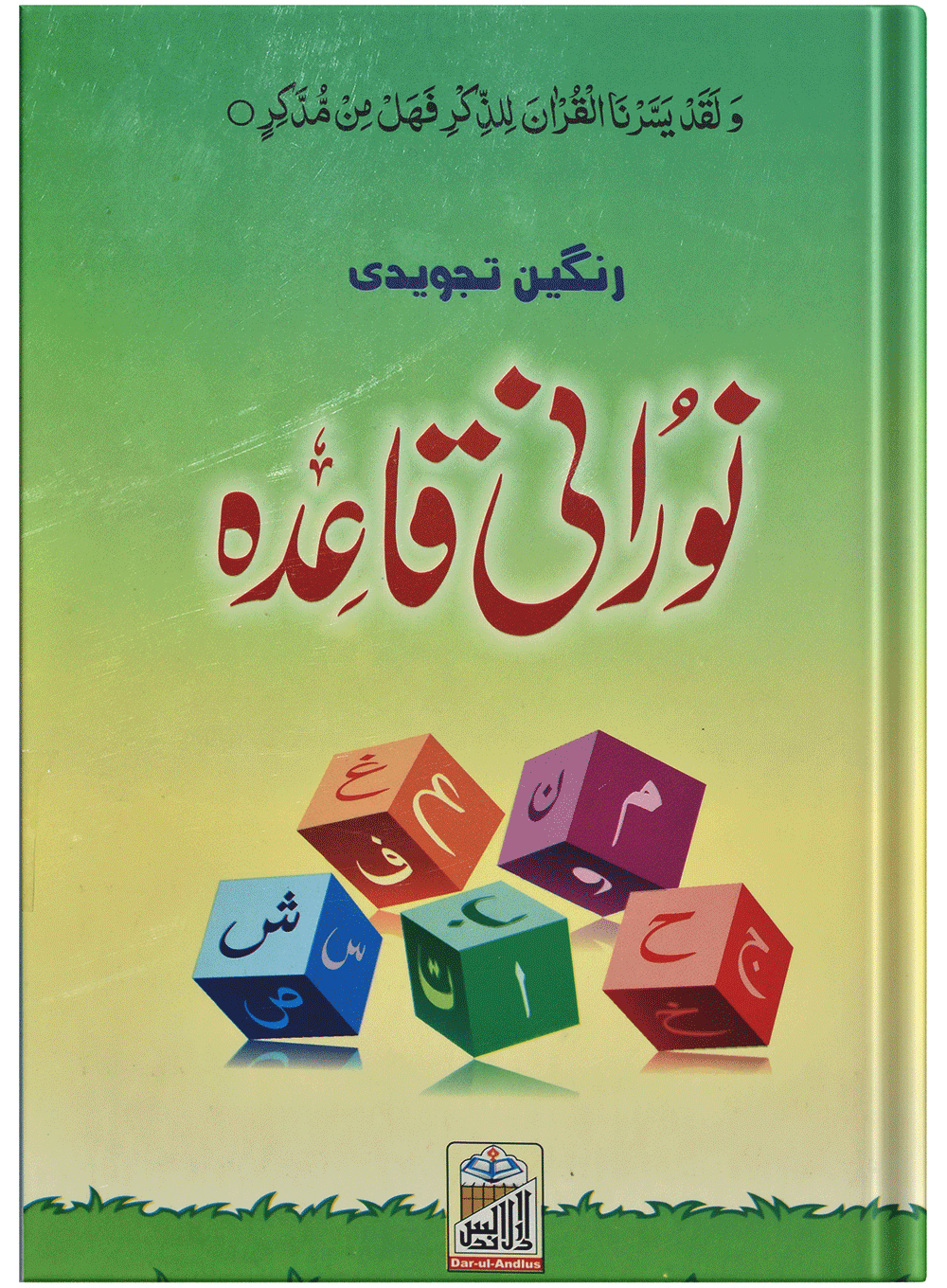
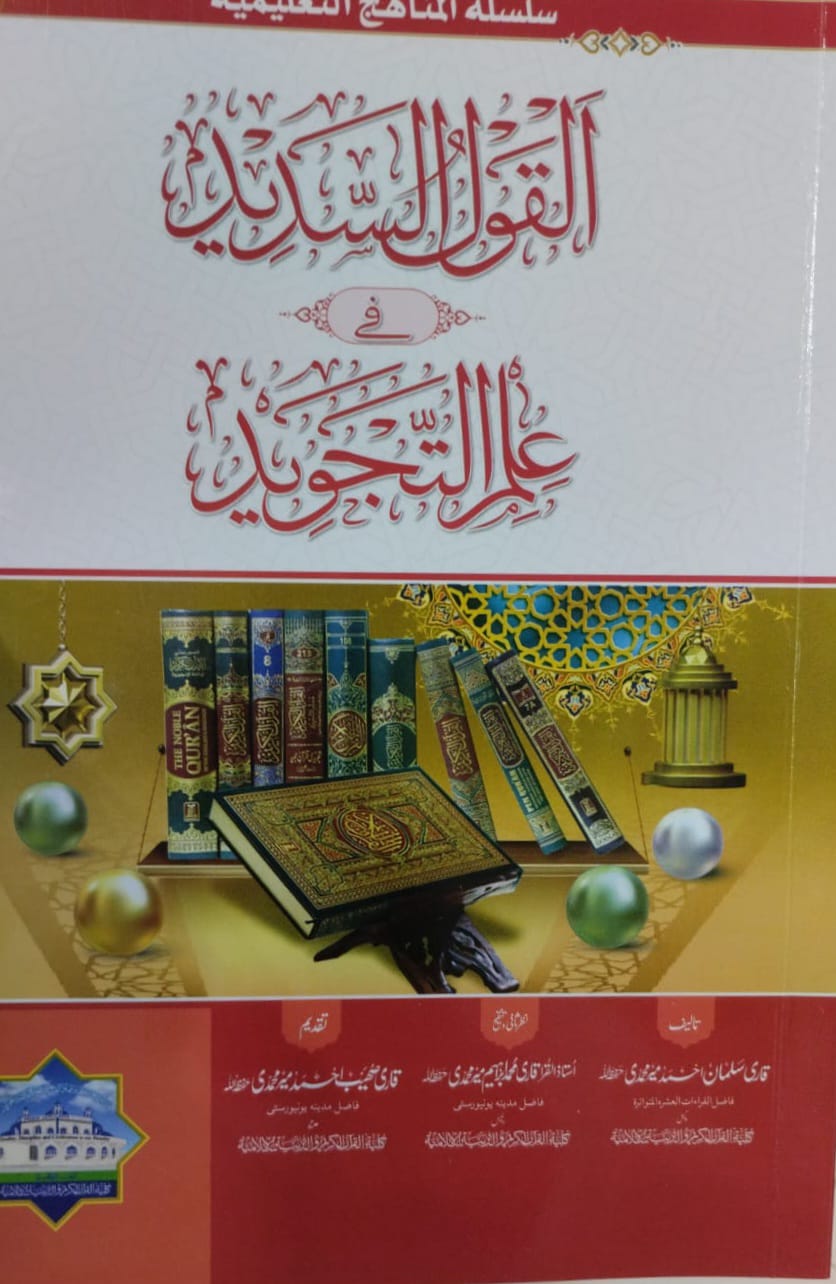
At the time of writing, the following are listed and, where noted, in stock.
Browse more on the Quran and Hadith category page.
You can learn the rules from a book and make real progress, but some sounds need a teacher to correct, because you cannot fully hear your own mistakes. Aim to have your recitation checked by a qualified person.
The basic rules can be studied in a few months. Applying them smoothly while reciting takes longer and depends on daily practice. Many people work on it for a year or more.
A Qaida is a beginner's book that teaches the Arabic letters, their forms, the vowels, and simple joining. It is the first step before reading the full Quran.
A Noorani Qaida teaches reading. A tajweedi Qaida adds markings for the basic tajweed rules so the learner starts applying them early.
Knowing the names helps you look things up and follow a teacher, but the goal is correct recitation, not memorising terms. Focus on the sound first.
The colours are a study aid based on the standard rules. They help while you are learning. Once your recitation is solid, you will not need them.
Oct 04 - 2026
Oct 01 - 2026

Sep 26 - 2026

Sep 22 - 2026