
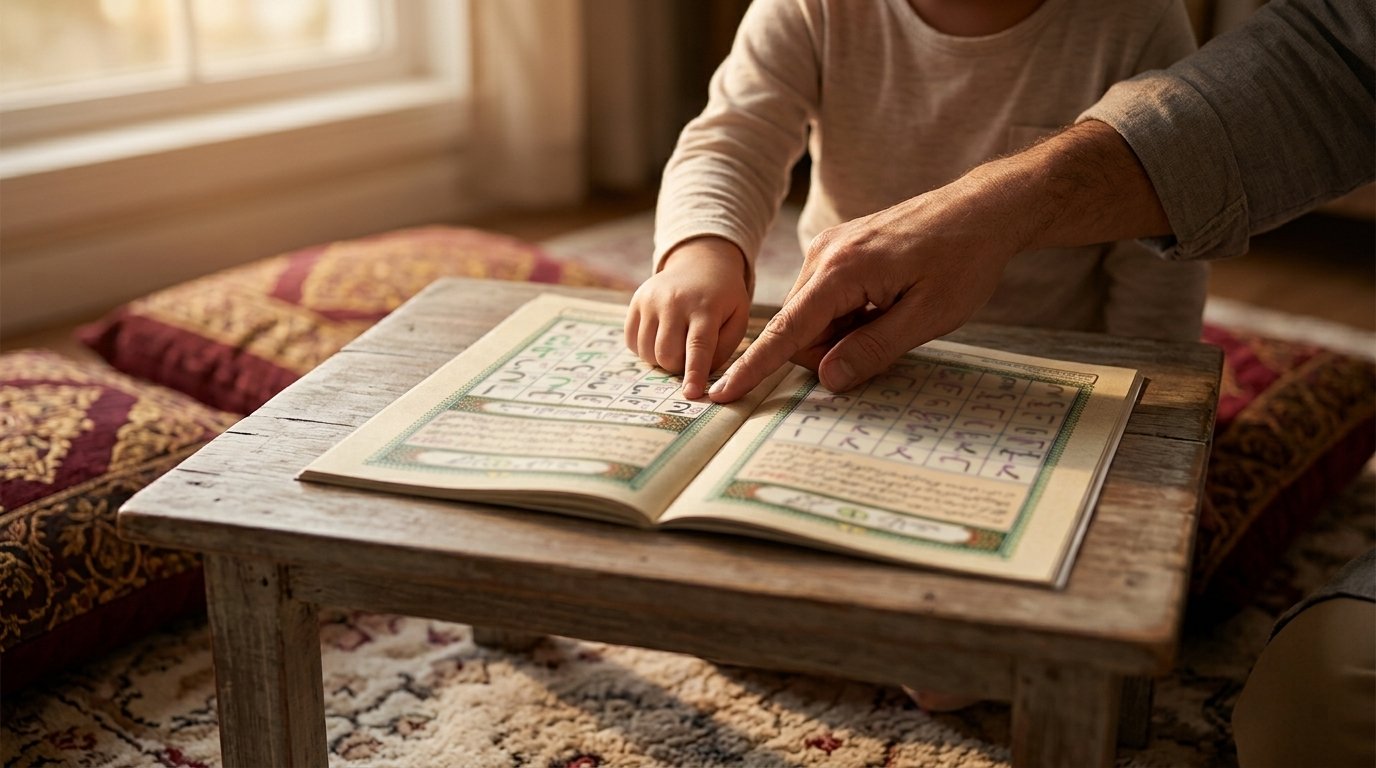
Teaching Your Child to Read the Quran: Qaida ..
Oct 04 - 2026

Most Muslims can recite the Quran but do not understand the Arabic. A full Arabic course takes time, and many people never start because it feels too big. There is a faster first step: a word for word Quran.
A word for word Quran, also called a lafzi tarjuma, prints the meaning of each Arabic word right next to it. As you recite, your eye picks up the meaning of the words you already say every day. Over months, you start to recognise common words without looking. This article explains how to use this method well.
This method will not make you fluent in Arabic or replace a tafseer. It is a bridge. For the full path, see how to learn Arabic to understand the Quran. For deeper explanation of verses, see what tafseer is.
Meaning is easier to hold when your reading is smooth. If you still struggle with letters or joining, spend a few weeks on that first. See how to learn tajweed
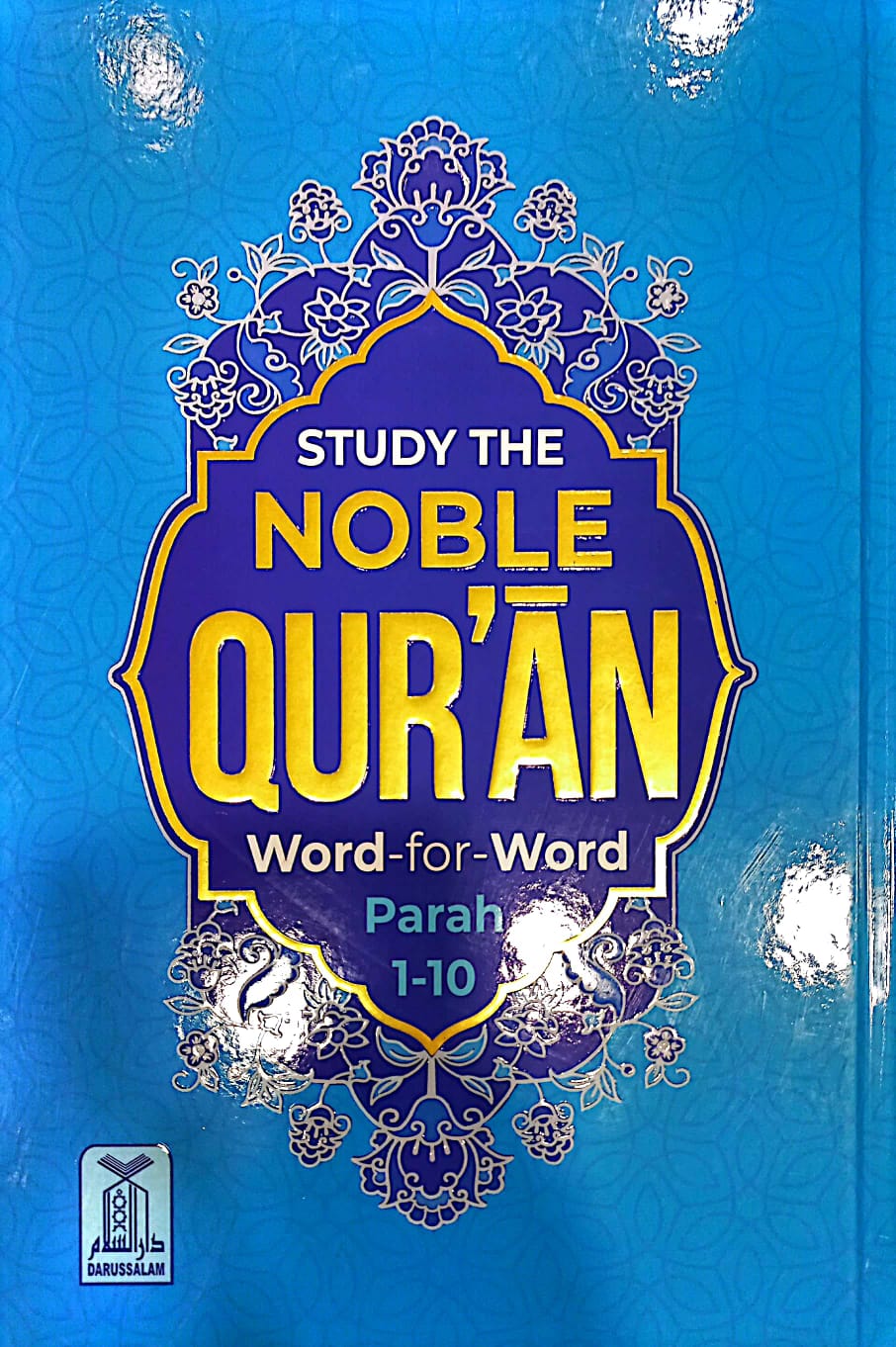
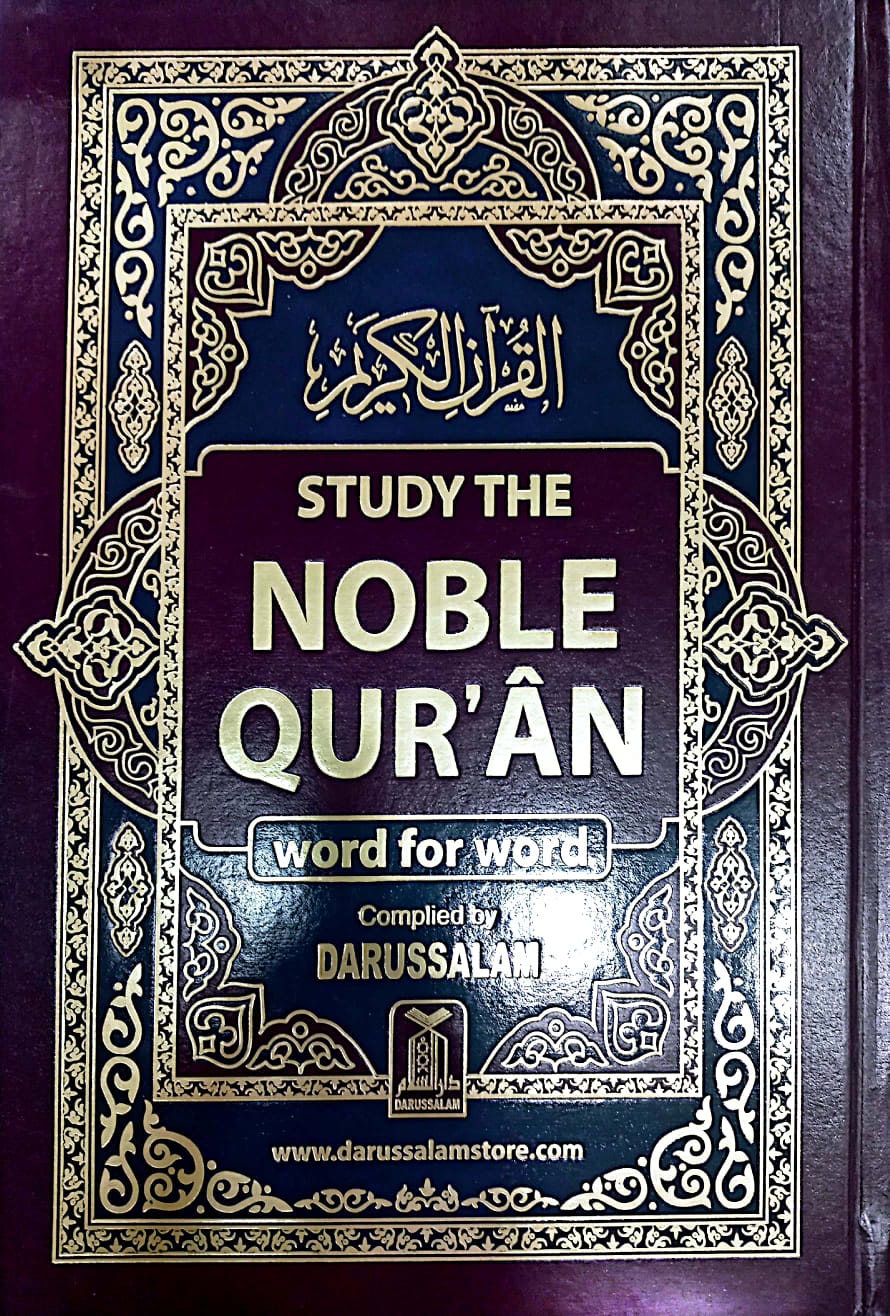
Pick a single book and use it every day. Switching books breaks the memory you are building. A full word for word Mushaf such as Study the Noble Quran, or the full Misbah ul Quran set, works well.
Begin with Al-Fatiha, then the last juz (Juz Amma). You say these in salah every day, so the meaning sticks fast. Seeing the meaning of what you already recite in prayer is often the moment the method clicks.
Some words appear again and again: particles like "min" (from), "ila" (to), "fi" (in), and common verbs and nouns. A short book of Quranic grammar rules such as Qawaid ul Quran teaches these patterns directly, which speeds everything up.
Ten minutes daily beats one long session a week. Recite one page, then read the word for word meaning of that same page. Do not rush to finish the Quran. Understanding grows with repetition, not speed.
Once you recognise many words, a reference like Mutradifat ul Quran helps you see why the Quran chose one word over a close synonym. This is a later step, not a starting point.
At the time of writing, the following are listed and, where noted, in stock.
Browse more on the Quran and Hadith category page.
It is a Quran where the meaning of each Arabic word is printed next to it, so you understand as you recite. It is also called a lafzi tarjuma in Urdu.
It builds your Quranic vocabulary and helps you recognise common words. It does not teach full grammar or let you read other Arabic texts. For that you need a proper Arabic course.
A relatively small set of words makes up a large share of the text. Learning the most repeated few hundred words takes you a long way, especially in the shorter surahs.
Start with Al-Fatiha and the last juz, because you recite those every day in salah. The meaning sticks faster when it is attached to something you already say.
No. Word for word gives you the surface meaning. A tafseer explains context, reasons for revelation and lessons. Use both.
Ten to fifteen minutes daily is enough and is better than a long session once a week. Consistency is what builds recognition.
Oct 04 - 2026
Oct 01 - 2026
Sep 26 - 2026

Sep 22 - 2026